

Property owners have a legal duty to keep their premises reasonably safe. When a spill, broken step, or poorly lit walkway causes a serious fall, a slip and fall lawyer can prove the owner should have prevented it.
Smith Trial Group represents people injured on unsafe property throughout Orange County and Southern California, including stores, restaurants, apartment complexes, parking lots, and public property. Our results include a $200,000 settlement for a slip and fall in a retail store.
On this page: Premises liability · Common hazards · Evidence · Public property · FAQ
How Premises Liability Works in California
Owners and businesses must use reasonable care to keep their property safe. To recover, an injured person generally must show that a dangerous condition existed, that the owner knew or reasonably should have known about it, and that the owner failed to fix it or warn visitors in time. Proving what the owner knew, and when, is often the center of the case.
Common Hazards
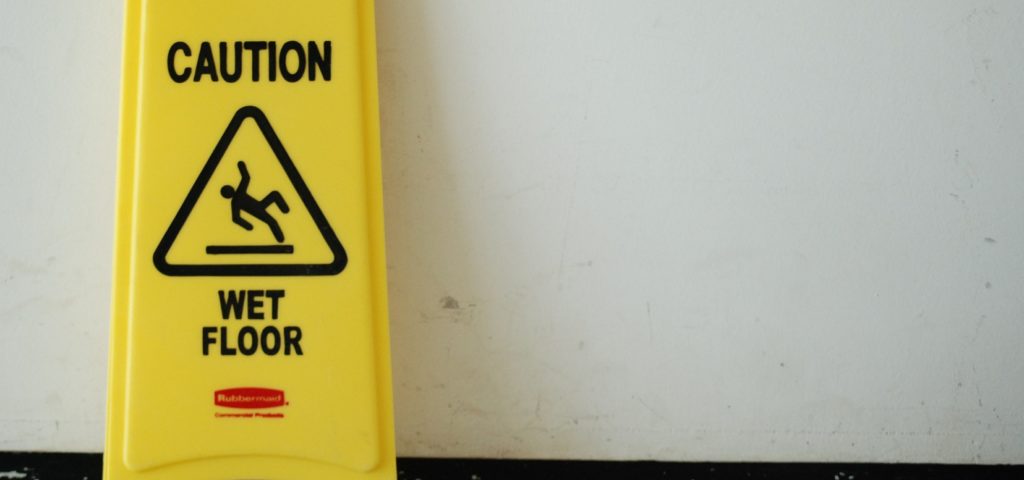
- Spills, leaks, and wet floors without warning signs
- Broken, uneven, or poorly lit stairs and walkways
- Torn carpet, loose mats, and debris in aisles
- Potholes and cracked pavement in parking lots
- Missing handrails and inadequate lighting
Evidence Matters, and It Disappears Quickly
Stores often record over surveillance video within days. We move quickly to demand preservation of video, cleaning and inspection logs, incident reports, and prior complaints. If you were hurt, photograph the condition and your footwear, ask for an incident report, and collect witness names.
Falls on Public Property
When a fall happens on a city sidewalk, public building, or other government property, special rules apply, and a written government claim generally must be filed within six months. Other premises claims are generally subject to a two-year statute of limitations.
Helpful resources: OSHA: Walking-Working Surfaces · California Department of General Services (government claims)
Where Serious Falls Happen
- Grocery and big-box stores: spills, produce on the floor, leaking freezers and items falling from high shelves.
- Restaurants and bars: wet floors near kitchens and restrooms, grease, and poorly lit stairs.
- Apartments and condominiums: broken stairs and railings, uneven walkways and poor lighting in common areas.
- Parking lots and structures: potholes, unmarked curbs, wheel stops and oil slicks.
- Hotels, gyms and pools: slippery decks, wet tile and defective equipment.
- Construction zones and sidewalks: debris, uneven pavement and missing barriers.
Injuries From Falls Can Be Severe
Falls are a leading cause of traumatic brain injuries, hip and wrist fractures, and spinal injuries, especially for older adults. A fall that seems minor can lead to surgery and long recovery. See brain injuries and spinal cord injuries.
How Property Owners Defend These Cases
Property owners and their insurers commonly argue that the hazard was “open and obvious,” that they did not know about it and had no time to fix it, or that the injured person was not paying attention. The answers to these defenses are usually in the evidence: inspection and sweep logs, video showing how long a hazard was present, prior incident reports, maintenance records and building code requirements. Under California’s comparative fault rules, even if you share some responsibility, you can still recover a reduced amount.
What to Do After a Fall
- Report the fall to the manager or owner and ask for a copy of the incident report.
- Photograph the hazard, the area, lighting, and your shoes and clothing.
- Get names and phone numbers of witnesses and employees.
- Get medical care and keep all records.
- Do not give recorded statements to the property owner’s insurer before talking to a lawyer.
See how to prove a slip and fall case and negligent security.
Frequently Asked Questions
The store says I should have watched where I was going. Do I still have a case?
Possibly. California’s comparative fault rule allows recovery even if you share some responsibility. Your recovery is reduced by your percentage of fault.
I fell at a friend’s home. Will they have to pay?
Claims for falls at a private home are typically paid by the owner’s homeowner’s insurance.
Related guides: How to prove a slip and fall case · How much is my case worth?
Talk to a Slip and Fall Lawyer Today
Free, confidential consultation. Tell us what happened and we will give you a straightforward assessment of your options.


Free Case Evaluation
Call us anytime at 855-202-2232 or fill out the form below to receive a free and confidential initial consultation.