

When a public road is dangerous, the agency responsible for it can be held accountable. Potholes, broken signals, missing guardrails and poorly designed roads cause serious crashes, and California law allows injured people to recover compensation, but only if strict deadlines are met.
On this page: Examples · Government liability · Defenses · Six-month deadline · What to do · FAQ
Smith Trial Group represents drivers, motorcyclists, cyclists and pedestrians injured by dangerous roads and public property throughout Southern California. These cases involve strict procedural rules and short deadlines, so early action matters. We handle them on contingency, so you pay no attorney fee unless we recover for you.
Examples of Dangerous Road Conditions
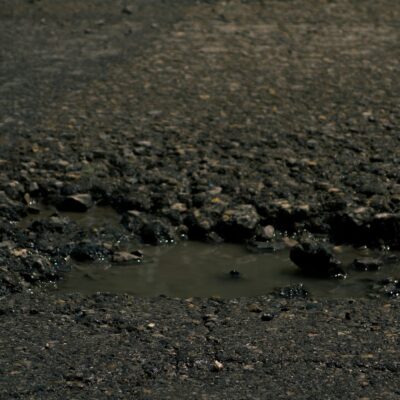
- Potholes, broken pavement and uneven road surfaces
- Missing, damaged or confusing signs and road markings
- Malfunctioning or poorly timed traffic signals
- Inadequate lighting at intersections and crosswalks
- Missing or damaged guardrails and barriers
- Trees, vegetation or structures that block visibility
- Poor drainage that causes flooding or standing water
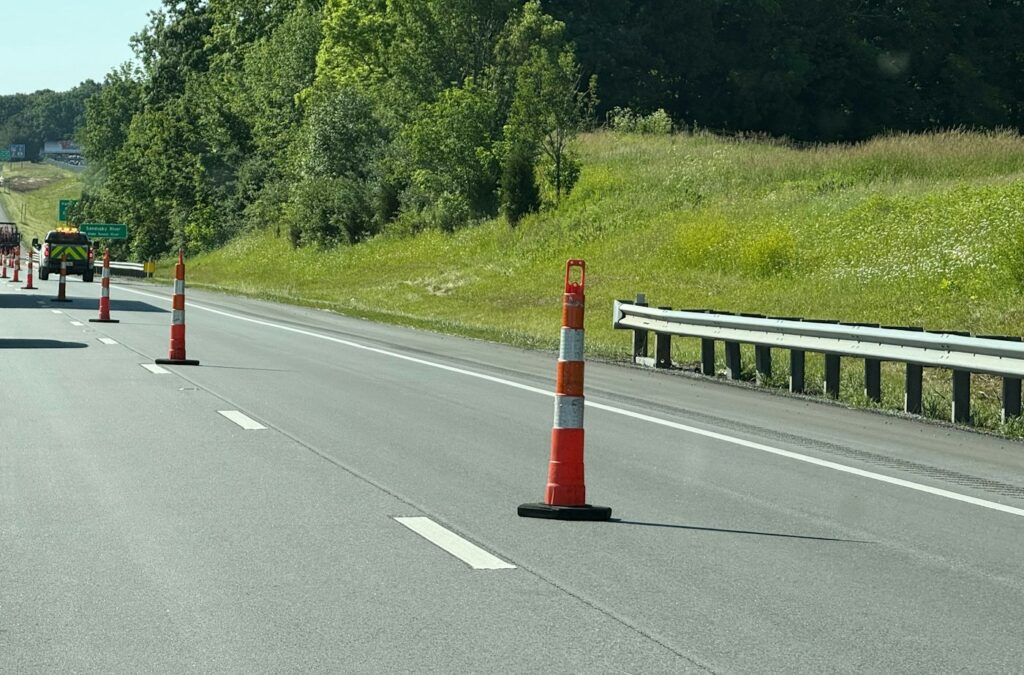
- Unsafe construction zones and lane shifts
- Dangerous road design, such as sharp curves without warnings
When a Government Agency Is Responsible
Under California Government Code section 835, a public entity, such as Caltrans, a county or a city, can be held liable for an injury caused by a dangerous condition of its property when:
- The property was in a dangerous condition at the time of the injury
- The dangerous condition caused the injury
- The condition created a reasonably foreseeable risk of the kind of injury that occurred
- The agency either created the condition, or knew or should have known about it in time to fix it or warn the public
Evidence often comes from public records, such as prior complaints, accident histories, maintenance logs and work orders, which can show that the agency was on notice.
Common Defenses
Government agencies have defenses that private parties do not. The most significant is design immunity, which can protect an agency when an injury results from a road design that was approved in advance and was reasonable at the time. Agencies may also argue that a condition was minor, that they lacked notice, or that the driver’s own conduct caused the crash. Overcoming these defenses requires early investigation and, often, engineering experts.
The Six-Month Government Claim Deadline
Before you can sue a public entity, you generally must file a written government claim with the agency within six months of the injury. The agency then has 45 days to respond. If the claim is denied, you usually have six months from the denial to file a lawsuit. If the six-month deadline is missed, a late-claim application may be possible within one year, but approval is not automatic.
This deadline is far shorter than the two-year deadline for most personal injury claims, and missing it can end the case. If a government road, vehicle or property may have played a role in your injury, speak with a lawyer right away.
Private Contractors and Property Owners
Not every dangerous road case is against the government. Construction companies that create unsafe work zones, utility companies that leave trenches or plates in the roadway, and private property owners can also be responsible. These claims follow the ordinary personal injury rules.
What to Do After an Accident on a Dangerous Road
- Photograph the condition from several angles, with something for scale, before it is repaired.
- Note the exact location, including the nearest cross street or mile marker.
- Get names of witnesses and anyone who has complained about the condition.
- Seek medical care and keep your records.
- Contact a lawyer quickly so the government claim can be filed on time.
Related: car accidents, motorcycle accidents, bicycle and e-scooter accidents, pedestrian accidents and slip and fall.
Frequently Asked Questions
Can I sue the city for a pothole?
Possibly. A city, county or the state can be liable when a dangerous road condition causes an injury and the agency knew or should have known about it in time to fix it. A government claim must usually be filed within six months.
How long do I have to file a claim against the government in California?
Generally six months from the injury to file a government claim. After a denial, you usually have six months to file a lawsuit. These deadlines are strictly enforced.
Who is responsible for freeway conditions?
State highways and freeways are generally maintained by Caltrans. City streets and county roads are maintained by the local agency. Identifying the right agency is an important early step.
What if a construction company caused the hazard?
A contractor that created an unsafe condition can be held responsible under ordinary negligence rules, sometimes in addition to the government agency.
Related guides: How to prove a slip and fall case · What to do after a car accident
Hurt by a Dangerous Road? Talk to a Lawyer Now
Free, confidential consultation. Tell us what happened and we will give you a straightforward assessment of your options.

Free Case Evaluation
Call us anytime at 855-202-2232 or fill out the form below to receive a free and confidential initial consultation.