

Attacked, shot, robbed or assaulted at an apartment, hotel, bar or parking structure? If the property owner failed to provide reasonable security, you may be able to hold them responsible, even if the attacker was never caught.
On this page: Where it happens · California law · Evidence · Who is responsible · Compensation · Deadlines · FAQ
When someone is assaulted, shot, robbed or sexually assaulted at an apartment complex, hotel, bar, shopping center or parking structure, the person who committed the crime is not the only one who may be responsible. California property owners and businesses have a legal duty to take reasonable steps to protect people on their property from foreseeable crime. When they cut corners on locks, lighting, gates, cameras or security staff, and someone is hurt as a result, the injured person can bring a negligent security claim against the property owner, the manager, and sometimes the security company. Smith Trial Group represents victims and families throughout Southern California in these cases.
Where Negligent Security Cases Arise
- Apartment complexes and condominiums: broken gate locks and entry doors, burned-out lighting, unrepaired windows, and ignored reports of prior break-ins or assaults.
- Hotels and motels: unsecured side entrances, keycard failures, and staff who give out room keys or room numbers.
- Bars, nightclubs and concert venues: too few or poorly trained security staff, failure to control fights, and over-serving aggressive patrons.
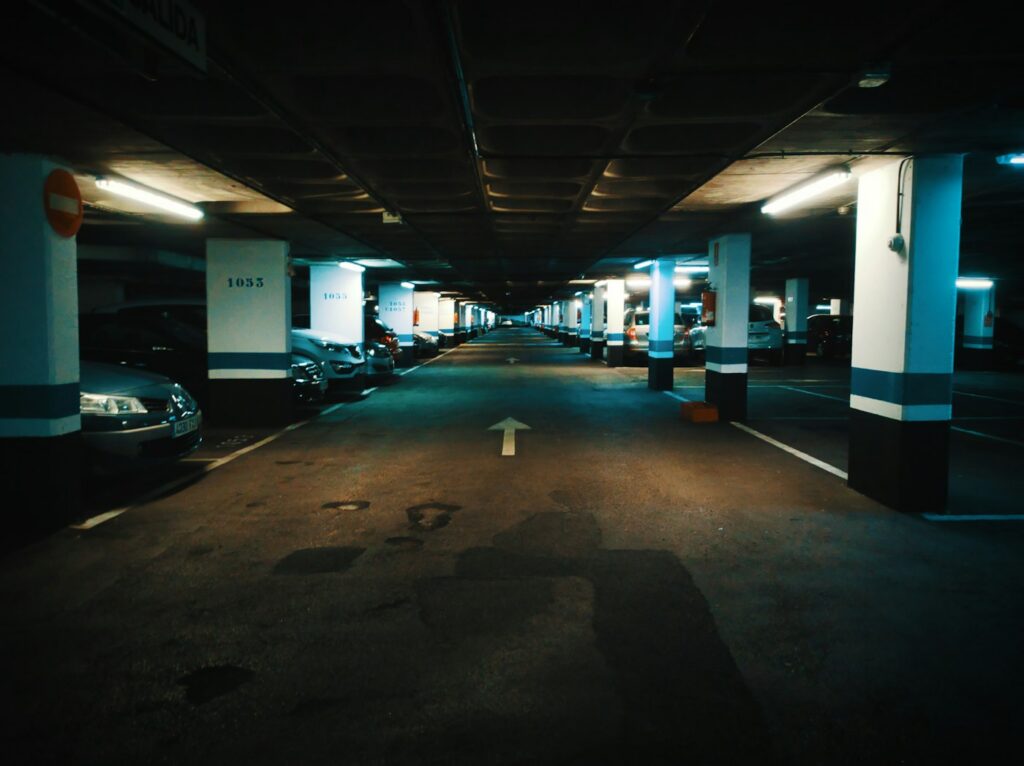
- Shopping centers and parking structures: poor lighting, broken cameras, and no patrols despite a history of car break-ins, robberies or assaults.
- Gas stations, convenience stores and fast-food restaurants with a known history of violent crime.
How California Law Decides These Cases
California courts ask whether the crime was reasonably foreseeable and whether the property owner’s security measures were reasonable in light of that risk. The more burdensome the security measure, the more foreseeability the courts require. For simple measures, such as fixing a broken gate, repairing lighting or responding to a fight in progress, the duty can arise with less proof. For costly measures, such as hiring security guards, courts generally look for prior similar incidents or other strong indications that a crime was likely. The leading California Supreme Court decisions on this balancing approach include Ann M. v. Pacific Plaza Shopping Center, Delgado v. Trax Bar & Grill and Castaneda v. Olsher.
That makes the investigation critical. The history of crime at and near the property, what the owner knew, and what simple steps were ignored usually decide whether a case succeeds.
Evidence We Gather
- Police calls for service and crime reports for the property and the surrounding area.
- Prior tenant complaints, incident reports, maintenance requests and emails to management.
- Security contracts, post orders, guard logs and staffing records.
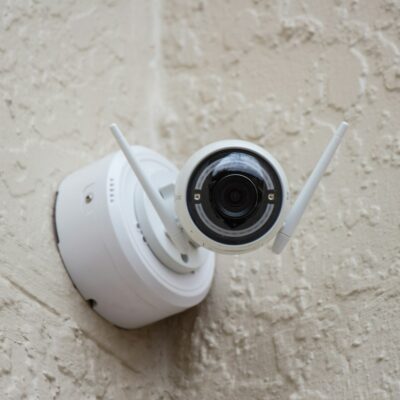
- Video footage, along with records showing whether cameras were working.
- Photographs and inspections of gates, locks, lighting and access points.
- Industry standards and testimony from security experts.
Video and security logs are often overwritten or discarded within days or weeks, so we send preservation letters right away.
Who Can Be Held Responsible
- The property owner and the property management company.
- A business operating on the property, such as a bar or hotel operator.
- A private security company that failed to follow its contract or industry standards.
- The person who committed the crime, although that person rarely has insurance or assets.
Under California law, a jury may apportion fault between the negligent property owner and the person who committed the crime. How fault is likely to be allocated is an important part of evaluating these cases, and it is one reason they require experienced trial counsel.
Compensation
Victims can recover medical expenses, future care, lost income and earning capacity, and damages for physical pain, emotional distress, and post-traumatic stress. Families who lose a loved one may bring a wrongful death claim. Serious cases often involve brain injuries or other catastrophic injuries.
Privacy and Your Criminal Case
A civil negligent security claim is separate from any criminal case. You can bring a claim even if the attacker was never identified or arrested. Survivors of sexual assault can often protect their identity in court filings. Consultations are confidential.
Deadlines and Fees
The general deadline for a personal injury lawsuit in California is two years. If the property is owned by a public entity, such as public housing, a transit station or a public parking structure, a government claim generally must be filed within six months. See suing a government agency. We handle negligent security cases on a contingency fee basis, so you pay no attorney’s fees unless we recover compensation.
Frequently Asked Questions
Can I sue a property owner if I was attacked on their property?
Possibly. California property owners and businesses must take reasonable steps to protect people from foreseeable crime. If inadequate security contributed to the attack, the owner, manager or security company may be responsible.
What makes a crime foreseeable?
Courts look at prior similar incidents at or near the property, what the owner knew, and how burdensome the missing security measure would have been. Simple fixes like repairing a gate or lighting require less proof than hiring guards.
Do I need the attacker to be caught to bring a claim?
No. A negligent security claim is against the property owner or business, and it can proceed even if the attacker was never identified or prosecuted.
Can my landlord be responsible for a break-in or assault at my apartment?
Yes, in some cases. Landlords can be responsible when they fail to fix broken locks, gates or lighting, or ignore prior crimes and complaints, and a foreseeable crime results.
How long do I have to file?
Generally two years from the date of the injury. If a public entity owns the property, a government claim generally must be filed within six months.
How much does it cost?
Nothing up front. We handle negligent security cases on contingency.
Talk confidentially with a negligent security lawyer
Free, confidential consultation. Tell us what happened and we will give you a straightforward assessment of your options.

Free Case Evaluation
Call us anytime at 855-202-2232 or fill out the form below to receive a free and confidential initial consultation.