

Traumatic brain injuries are often invisible, and that is exactly why insurers undervalue them. A brain injury lawyer makes sure the full effect on your memory, concentration, mood and ability to work is documented and proven.
On this page: How we help · What is a TBI · Symptoms · Proving it · Case value · Compensation · Deadlines · FAQ
Smith Trial Group represents people who have suffered concussions and traumatic brain injuries in truck, car, motorcycle, pedestrian and bicycle crashes, falls and other incidents across Orange County and Southern California. Our injury results include a $10 million jury verdict and a $1.9 million settlement. Results depend on the facts of each case. We handle brain injury cases on contingency, so you pay no attorney fee unless we recover for you.
How a Brain Injury Lawyer Helps
Insurers routinely argue that a brain injury is minor, temporary, pre-existing or exaggerated, especially when scans look normal. Attorney Cardon Smith spent years defending Fortune 500 companies before founding this firm, so he knows the defense playbook in these cases. We build the evidence to answer it:
- Connecting the injury to the crash with emergency records, witness accounts and the mechanics of the collision.
- Getting the right evaluations from neurologists, neuropsychologists and, where appropriate, advanced imaging.
- Showing the before and after through family, friends, coworkers and employment records.
- Proving future needs and lost earning capacity with life care planners, vocational experts and economists.
- Not settling too early. Brain injury symptoms can evolve for months, and a settlement is final.
What Is a Traumatic Brain Injury?
A traumatic brain injury (TBI) occurs when a blow, jolt or sudden acceleration disrupts normal brain function. TBIs range from concussions, sometimes called “mild” TBIs although their effects can be anything but mild, to moderate and severe injuries with permanent impairment. You do not need to hit your head to suffer a TBI; the violent acceleration and deceleration of a collision can be enough. Types include concussions, contusions (bruising of the brain), diffuse axonal injury (shearing of nerve fibers), and bleeding in or around the brain.
Symptoms to Watch For
- Headaches, dizziness, and sensitivity to light or noise
- Memory problems and difficulty concentrating
- Slowed thinking and trouble finding words
- Irritability, anxiety, depression and personality changes
- Sleep disturbances and fatigue
- Vision problems, ringing in the ears and balance problems
Symptoms can appear days after an accident, and loved ones often notice changes before the injured person does. If you notice them, see a doctor and tell them about the accident. For some people, concussion symptoms persist for months or longer.
Proving a Brain Injury
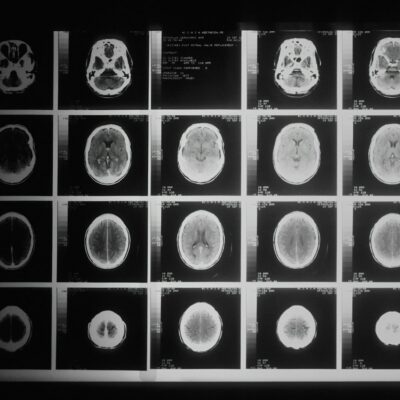
Many brain injuries do not show up on a CT scan or standard MRI. That does not mean the injury is not real; it means the case has to be built carefully. Evidence often includes:
- Emergency records showing loss of consciousness, confusion or memory gaps at the scene
- Neuropsychological testing that measures memory, attention, processing speed and executive function
- Advanced imaging, such as diffusion tensor imaging (DTI), where medically appropriate
- Treating neurologist, therapist and counselor records
- Testimony from family and coworkers who have seen the changes firsthand
- Work records showing reduced performance, missed deadlines or lost positions
How Brain Injury Cases Are Valued
The value of a brain injury case depends on how the injury affects the rest of your life. Key factors include the severity and permanence of the injury, its effect on your ability to work, the cost of future treatment and care, the strength of the evidence linking it to the crash, and the available insurance. For a professional whose career depends on judgment, focus and memory, even a “mild” TBI can mean a substantial loss of earning capacity.
Compensation
- Past and future medical treatment, including neurology, cognitive therapy, speech therapy and counseling
- Lost wages and reduced earning capacity
- In-home care and supervision in severe cases
- Pain, suffering, emotional distress and loss of enjoyment of life
- A spouse’s or partner’s loss of consortium
California places no cap on pain and suffering damages in ordinary personal injury cases. See also catastrophic injuries and spinal cord injuries.
Common Causes
Brain injuries in our cases most often come from truck accidents, car crashes, motorcycle, pedestrian and bicycle collisions, falls, and defective products such as helmets or vehicle safety systems.
Deadlines
Most California personal injury claims must be filed within two years, and claims against a government entity generally require a government claim within six months. Because brain injury symptoms can take time to understand, do not wait to get advice.
Areas We Serve
We handle brain injury cases across Southern California, including Newport Beach · Irvine · Santa Ana · Los Angeles · Riverside · San Bernardino · San Diego.
Helpful resources: CDC: Traumatic Brain Injury · Brain Injury Association of America
Frequently Asked Questions
Can I have a brain injury if my CT scan was normal?
Yes. CT scans and standard MRIs often miss concussions and diffuse injuries. Neuropsychological testing, advanced imaging where appropriate, and evidence of changes in how you function are often used to prove the injury.
How much is a brain injury case worth?
It depends on the severity and permanence of the injury, its effect on your ability to work, future treatment costs, the evidence linking it to the accident, and the available insurance. Even a concussion with lasting symptoms can support a significant claim.
Is a concussion a traumatic brain injury?
Yes. A concussion is a form of traumatic brain injury, often called a mild TBI. Many people recover within weeks, but some have symptoms that last for months or longer.
How long should I wait before settling a brain injury claim?
Usually until your doctors have a clear picture of your long-term prognosis. Settling too early can leave you without compensation for symptoms that persist.
What if I did not lose consciousness?
You can still have a traumatic brain injury. Loss of consciousness is not required.
How much does a brain injury lawyer cost?
We handle brain injury cases on contingency. You pay no attorney fee unless we recover for you, and the consultation is free.
Related guides: How much is my case worth? · Dealing with the insurance adjuster · What to do after a car accident
Talk to a Brain Injury Lawyer Today
Free, confidential consultation. Tell us what happened and we will give you a straightforward assessment of your options.

Free Case Evaluation
Call us anytime at 855-202-2232 or fill out the form below to receive a free and confidential initial consultation.